

Replacing a failed deck can cost more than materials. Contractors may face added labor, callbacks, schedule delays, and warranty concerns when a product does not perform as expected.
Composite decking is built for long service life, but durability depends on several factors. Board construction, cap protection, installation quality, weather exposure, maintenance, and warranty coverage all influence how long the deck system performs.
For builders, distributors, and procurement teams, choosing the right composite decking means more than comparing upfront costs. It means selecting a product that helps reduce replacement risk, support reliable installations, and protect project margins over time.
Typical Service Life of Composite Decking
Most quality capped composite decking is planned at 20 to 30 years, though commercial warranty terms may be shorter.
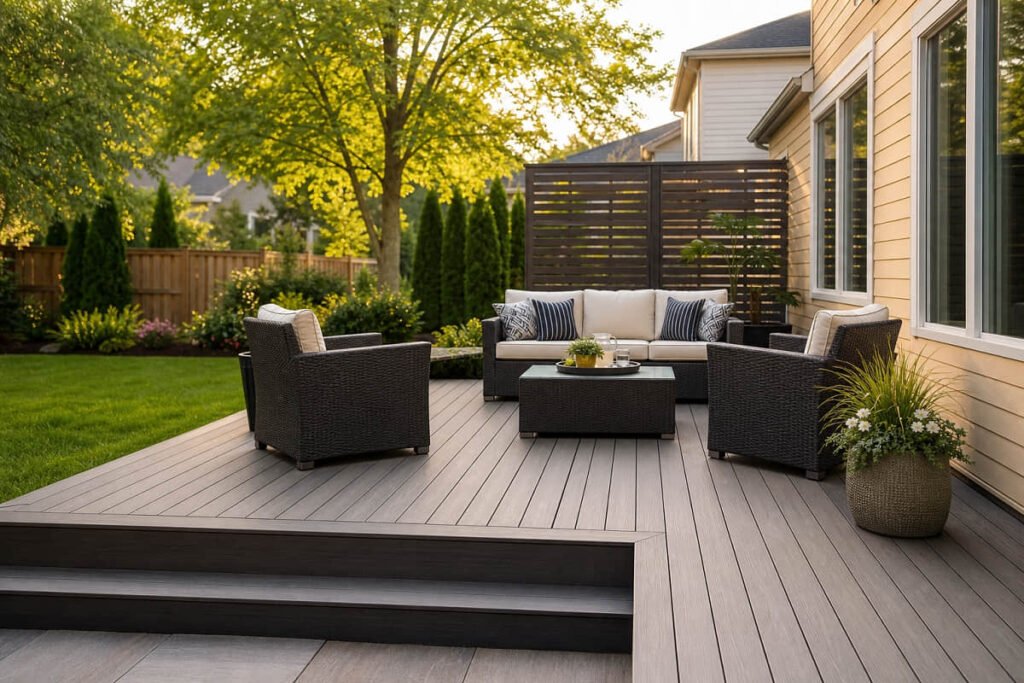
The real deck’s lifespan depends on board grade, climate, joist spacing, drainage, and maintenance.
For trade buyers, the point is simple. Buy capped boards with clear specs, use the right fastening system, and keep the subframe dry.
Composite vs Wood Deck Life
| Decking material | Expected life | Upkeep needs | Common failure points |
|---|---|---|---|
| Pressure-treated lumber | 10-15 years | Stain, seal, repair boards | Rot, splinters, loose fasteners |
| Cedar | 15-20 years | Clean, seal, stain as needed | Fading, checking, soft boards |
| Redwood | 15-25 years | Clean, seal, inspect | UV wear, moisture damage |
| Exotic hardwood | 25+ years | Oil, clean, inspect | Movement, checking, high labor |
| Capped composite boards | 20-30+ years | Wash and inspect | Surface damage, poor airflow |
| PVC decking | 30-50+ years | Wash and inspect | Heat movement, install errors |
Life changes by wood type, climate, and install quality. Wood decks cost less upfront and some clients still want natural timber — but wood asks for more work each year and carries more risk from water and insects. For the full cost, code, and sourcing comparison, see composite decking vs. pressure-treated wood.
Request free samples before you lock a large order.
What Shortens Deck Life?
Low material quality, harsh sun, trapped water, and poor airflow shorten deck life. Weak framing, bad fasteners, heavy traffic, and skipped cleaning also cut service life.
- Pick the right board grade for the climate.
- Follow brand rules for joist spacing and board gaps.
- Use proper flashing at ledgers and wall tie-ins.
- Keep air moving below the deck boards.
- Clean spills, dirt, leaves, and grill grease fast.
- Inspect the entire deck once a year.
Wide temperature fluctuations also matter. Boards expand and contract, so the install crew must leave the right gaps. If you need help matching specs to U.S. climate zones, Contact Our Sales Team.
Sun and Heat
UV exposure can fade lower-grade composite deck boards over time. Capped composite boards resist UV rays better because the cap shields the color layer.
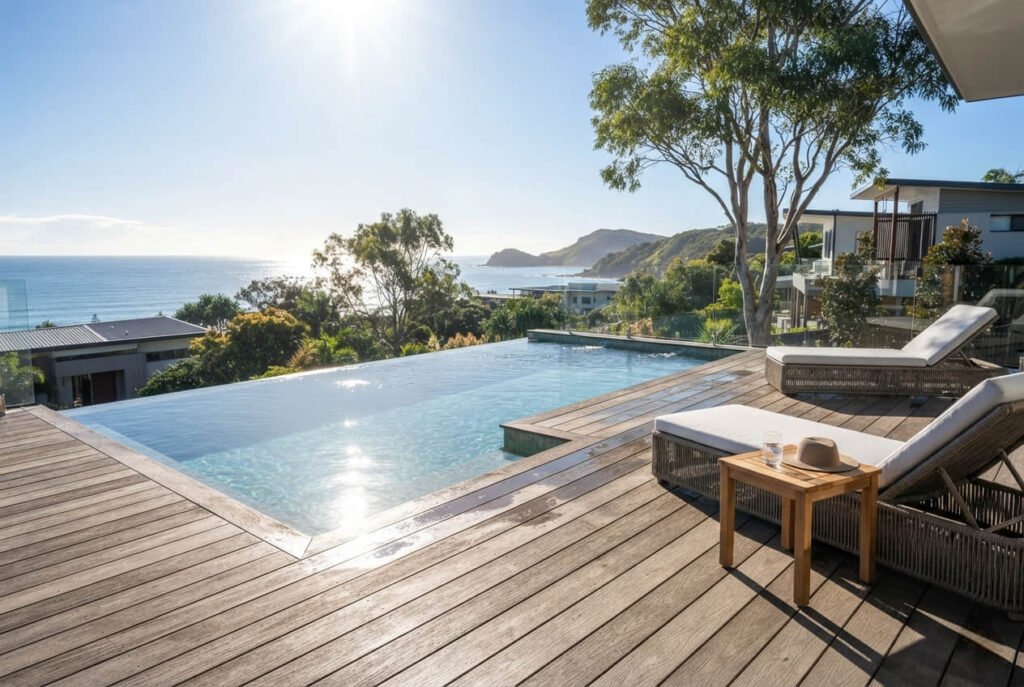
No outdoor surface is immune to strong sun. Dark colors can also feel hotter under bare feet. Our distributors in Texas see the same pattern across high-heat projects. Sample boards help clients choose color with fewer late changes.
Moisture and Airflow
Moisture hurts wood first, but composite decks still need airflow. Trapped leaves and dirt can hold water against the surface.
The bigger risk is below the boards. Wet joists, bad drainage, and missing flashing can weaken structural integrity. Check proper flashing, joist tape, board gaps, and slope before closeout. The American Wood Council deck guide also calls out flashing and corrosion-resistant hardware.
Use and Foot Traffic
Composite boards handle busy outdoor living areas well. Still, surface damage can happen from dragging furniture, metal grill feet, pet claws, or jobsite dust.
Commercial decks, rentals, and shared amenity decks need a harder wear plan. Add walk-off mats at doors. Use furniture pads. Tell the owner what signs of damage need a service call.
Why Capped Boards Last
Capped composite has a core wrapped in a protective outer layer. That cap helps block moisture, stains, UV rays, and wear from daily use.
LastElegance uses co-extruded cap-core technology across its composite decking product line. The cap and core form together during production, which helps keep the board stable. The cap guards the surface while the core adds strength.
This is where material quality matters. A cheap uncapped board leaves more of the core exposed. A capped board gives the builder more margin in harsh weather. Cap quality itself varies by grade — our capped vs. uncapped composite decking guide covers the five cap levels and the UV and water-absorption test data behind them.
Install Choices That Add Years
Even strong decking materials can fail early on a weak frame. Good install work adds years because it keeps boards supported, dry, and able to move.
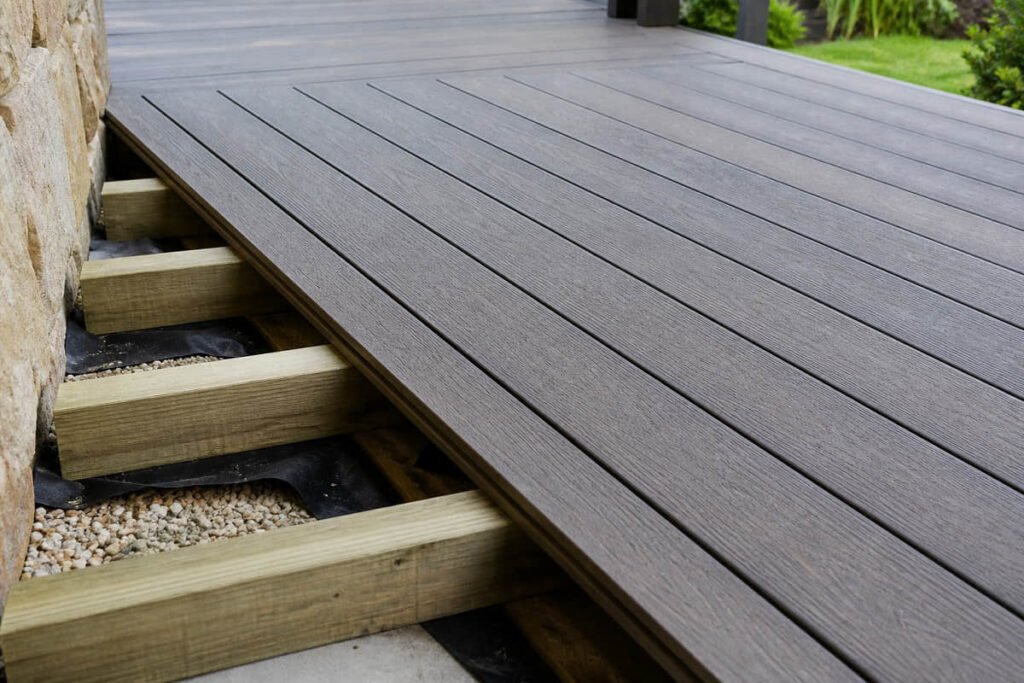
Use this checklist before sign-off:
- Confirm joist spacing from the product specs.
- Check the subframe for rot, crown, and level.
- Use a hidden fastener system approved for the board.
- Leave the right end gaps and side gaps.
- Add proper flashing at ledger boards and wall lines.
- Keep drainage clear below the deck.
- Follow IRC or IBC rules for guards, stairs, and ledgers.
Local code still rules the job. The CPSC also urges owners to inspect loose hardware, rotting boards, and weak foundations. That matters because deck failures can cause serious injuries.
Maintenance That Helps Decks Last
Composite decking is low maintenance, not no maintenance. A simple care plan protects the surface and helps the deck age well.
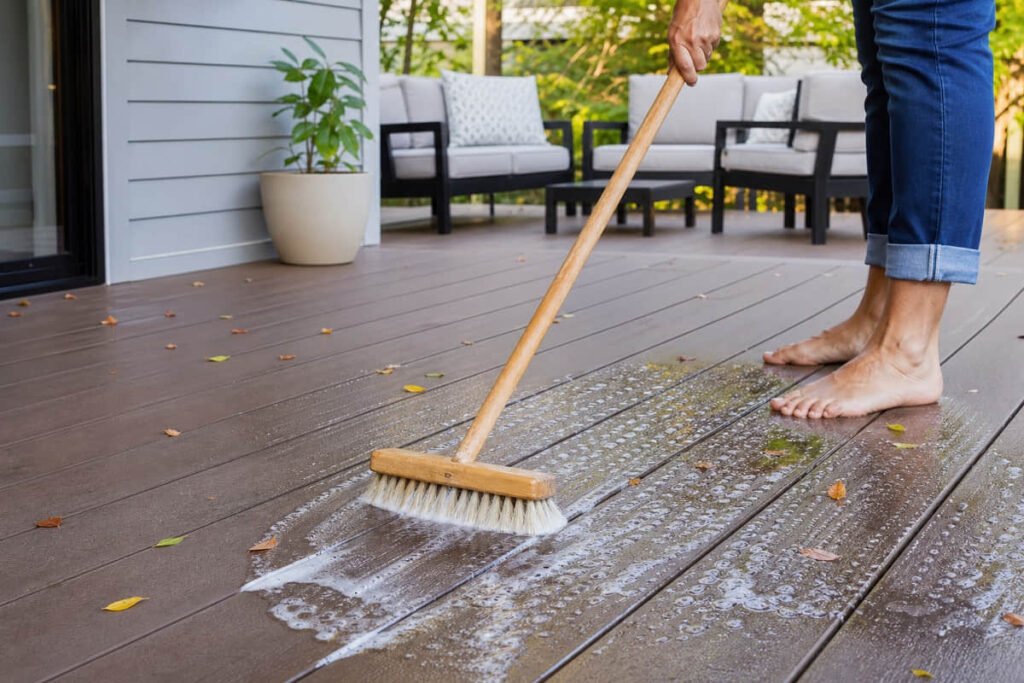
- Sweep leaves, dirt, and jobsite dust often.
- Wash with mild detergent and water as needed.
- Clean food, oil, and wine spills right away.
- Keep grill mats and planters from trapping water.
- Clear gaps between boards each season.
- Inspect fasteners, railing, stairs, and framing once a year.
In coastal zones, rinse salt film more often. In wooded lots, remove wet leaf piles before they stain. Regular cleaning takes less time than regular maintenance on wood, which often includes sanding and stain.
When to Replace Deck Boards
Replace deck boards when damage affects safety, support, or water control. Surface marks alone may not mean failure.
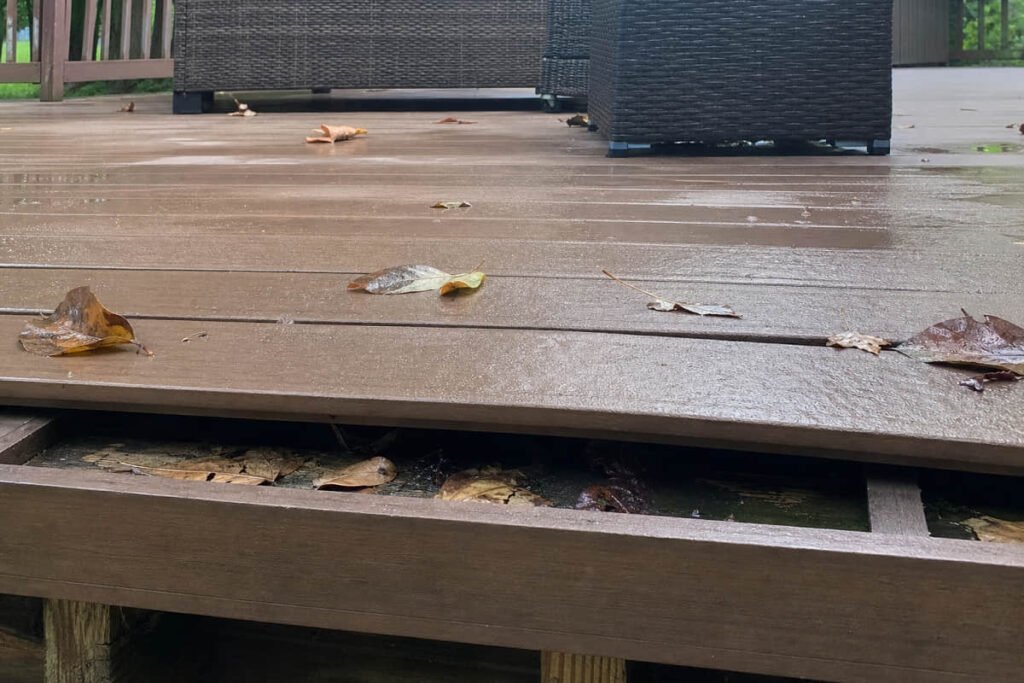
Watch for these signs:
- Deep cracks that keep spreading.
- Major warping or lifting at board ends.
- Soft spots under foot.
- Loose boards that no longer hold fasteners.
- Stains or swelling that return after cleaning.
- Rot or movement in the subframe.
- Repair costs that approach replacement cost.
If structural integrity is in doubt, call a qualified deck builder. The entire deck may need inspection, not just the surface boards. That check can prevent costly repairs later.
Does the Longer Life Pay for Itself?
Composite costs more on day one. Over a 20-year ownership term the gap usually closes once you price stain cycles, board repairs, and crew time — and it closes faster when the owner pays a crew rather than doing the work themselves.
We’ve run that math on a 300 sq ft deck, including installed cost ranges by U.S. region: see composite decking vs. pressure-treated wood.
The benefits show up in labor, callbacks, and client comfort. Builders spend less time on staining claims and splinter complaints.
LastElegance is manufacturer-direct, so we control specs, color, texture, grade, and production. That can help distributors and contractors price volume work without extra reseller markup. For project pricing, Request a Quote.
How to Buy for Long Life
Buy composite decking by specs, not color alone. The best decking option is the one that fits the climate, code needs, and client use.
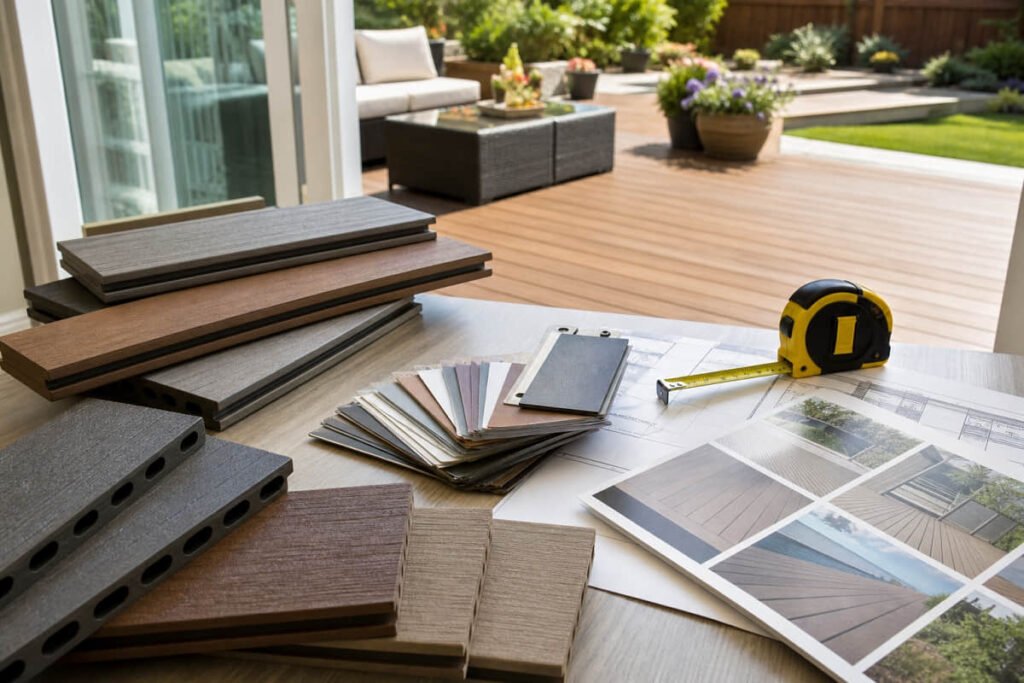
Use this buying checklist:
- Choose capped composite for better weather resistance.
- Review board thickness, width, profile, and span limits.
- Ask for ASTM data, slip ratings, and fire test data if needed.
- Check warranty terms for fade, stain, and product defects.
- Confirm lead time, pack size, and container load details.
- Match colors to real samples.
- Ask about custom colors, textures, and mold options.
- Confirm private label support.
We can customize size, color, texture, grade, material, and shape. Custom molds are also available for repeat programs. If you are building a product line, inquire about a custom order.
FAQ
How many years can composite decking last?
Most quality capped composite decking is planned at 20 to 30 years. Premium solid-core lines carry a 30-year warranty. Hollow-core boards typically plan at 15 to 25 years. Install quality, joist spacing, drainage, and climate all shift the number.
Does composite decking last longer than wood?
Yes, in most cases. Composite decks resist rot, insects, and splinters better than traditional wood, while wood decks need more regular maintenance. For the side-by-side cost and lifespan breakdown, see composite decking vs. pressure-treated wood.
Can install quality affect deck life?
Yes. Poor spacing, weak framing, poor airflow, bad drainage, and skipped proper flashing can shorten the life of the entire deck.
Is composite decking good for humid areas?
Yes, quality capped composite is a strong choice for high humidity because it resists moisture damage better than wood. Airflow and drainage below the deck still matter.