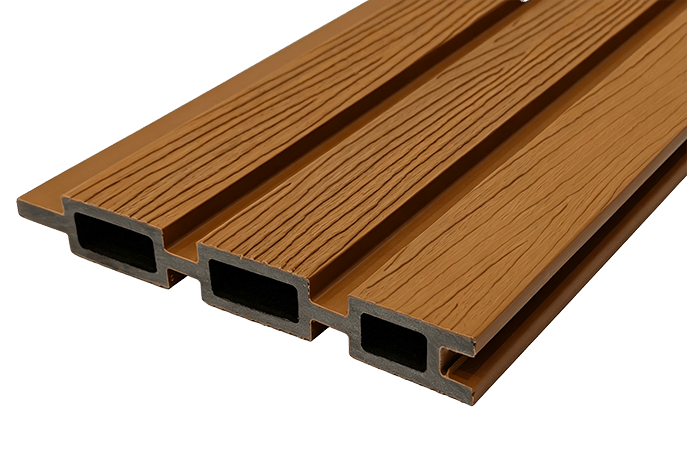

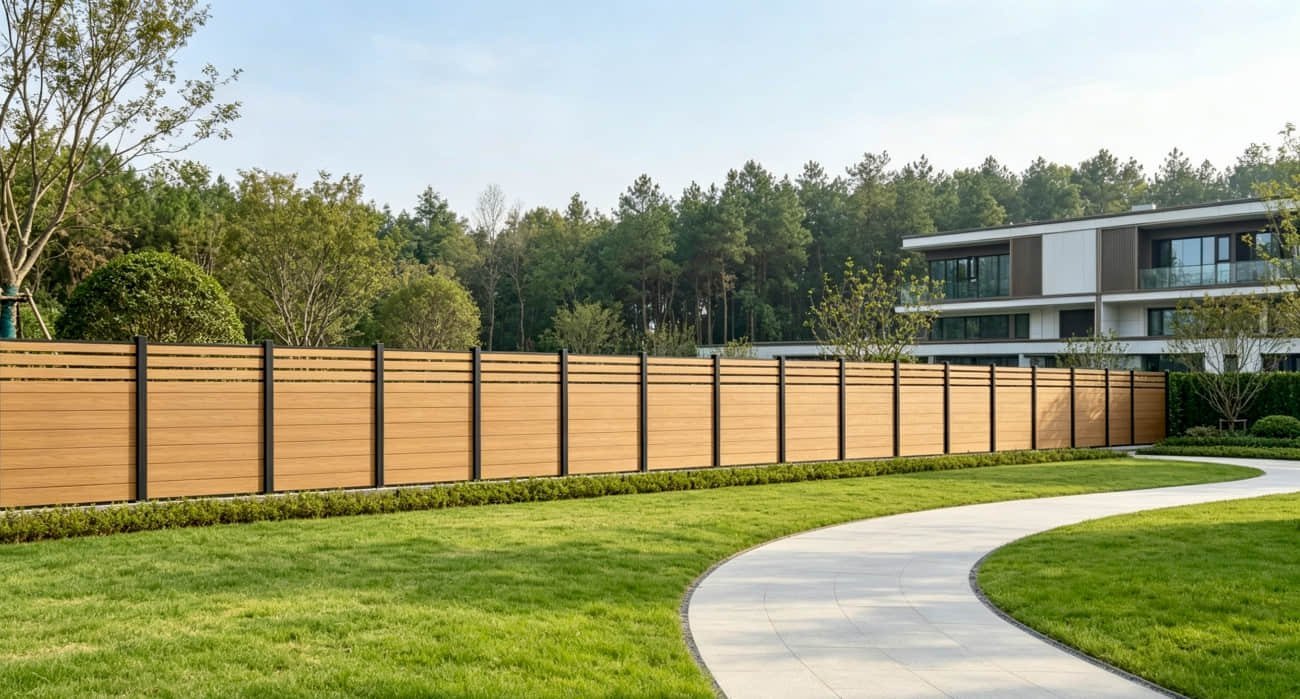
Vista is a capped composite screening slat, extruded at our own plant and supplied direct to Australian trade buyers. Two widths, six colours, and posts at up to 1.6 m centres — on a 100 m boundary that is about 63 posts rather than the 84 you need at 1.2 m.
Australian buyers ask for the same product under three names — composite screening, slat fencing and privacy screens. Vista is all three; what changes is the gap you set.
Wholesale & trade pricing available. Custom sizes, colours, and packaging on request.
Thicker than most competing composite screening products on the Australian market
Proven UV colour stability for Australia's extreme UV index conditions
Fully sealed board — no swelling, warping, or moisture ingress
Hardwood fibre core and high-density recycled HDPE matrix — lower carbon footprint without compromising performance
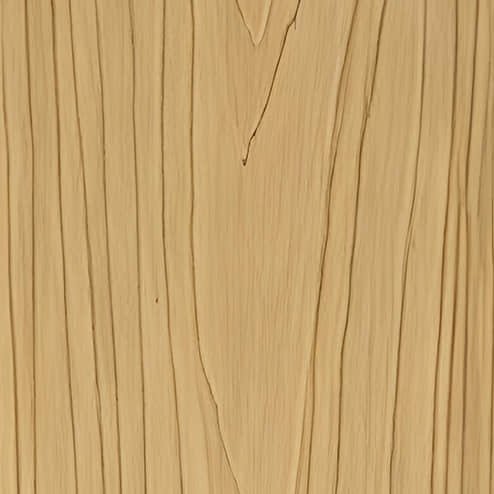
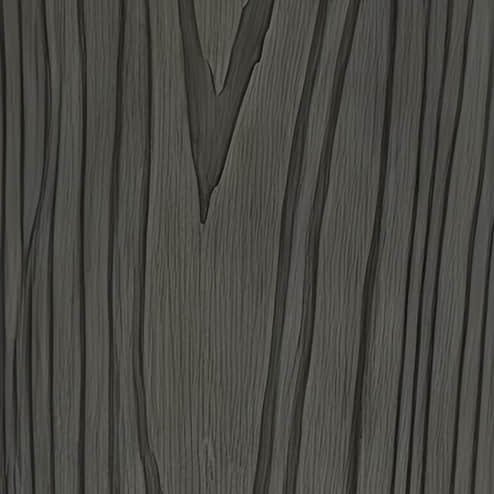
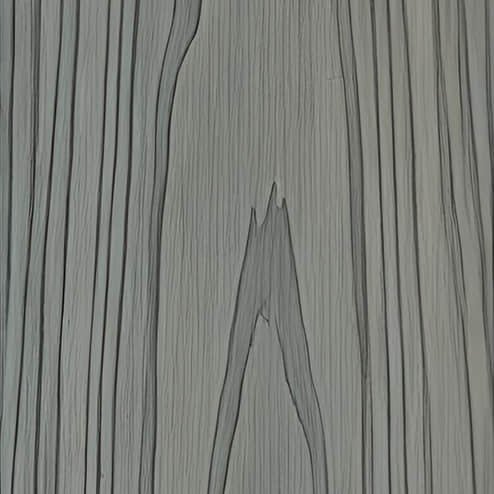
All colours are co-extruded into the board surface — not painted — ensuring colour retention for the life of the product. Custom colours available for volume orders.
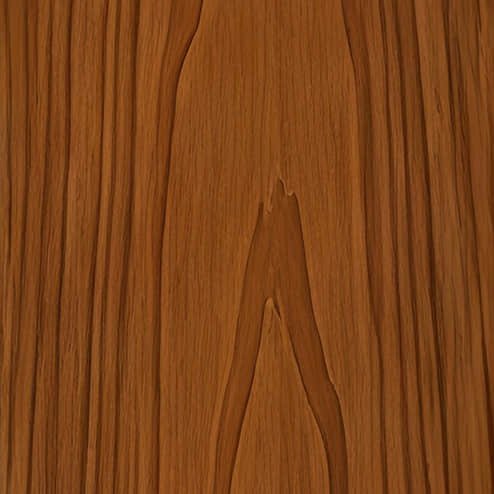
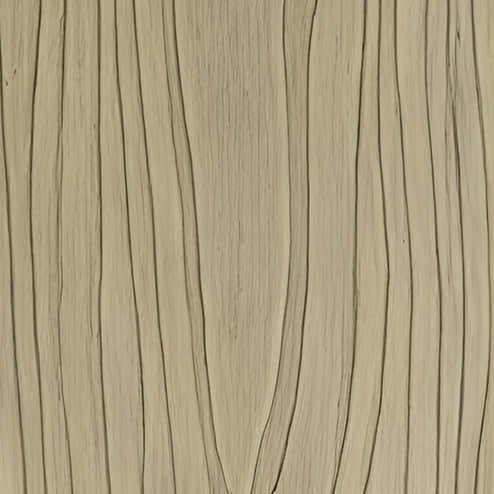
Wood-grain surface. Co-extruded colour. Explore the Vista finish before specifying.
Screen colours and scene images are indicative. Use a physical sample for approval.
Vista is available with custom colours, surface embossing, dimensions and packaging for trade and project requirements.
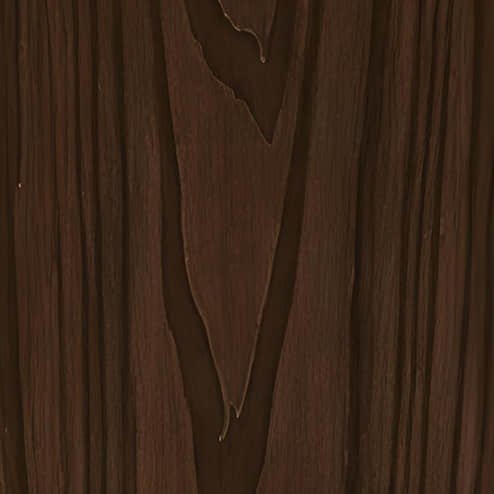
Custom colour matching for wholesale orders and project specifications.
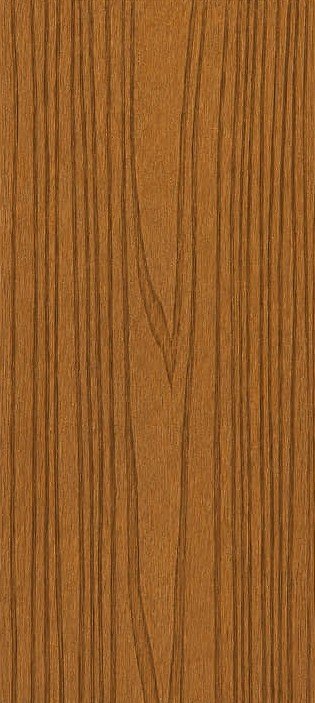
Custom surface embossing and texture options for Vista.
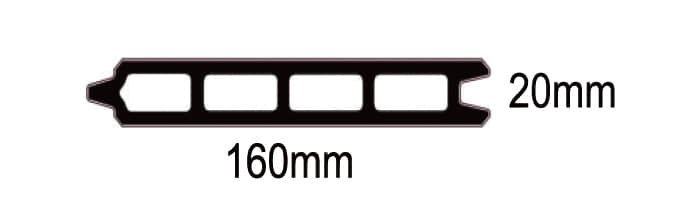
Custom board dimensions and profile development for your application.
Start with your colour reference, drawing or project specification.
TECHNICAL DATA
Dimensional and packing data for project planning and procurement.
MATERIAL COMPARISON
Traditional timber fencing requires regular painting or oiling, degrades rapidly under Australia’s UV, and remains a target for termites and rot throughout its service life. LastElegance Composite Screening delivers the same natural timber aesthetic at significantly lower total lifecycle cost — with no ongoing maintenance.
Composite Screening is tested and certified to international and Australian standards, giving wholesalers and specifiers the documentation required for commercial project sign-off.
Values reproduced from the Vista product page. Refer to the applicable reports and installation guidance for project assessment.
Dimensions, profiles & product data
Substructure, spacing & fastening
Performance documentation
Coverage, conditions & care
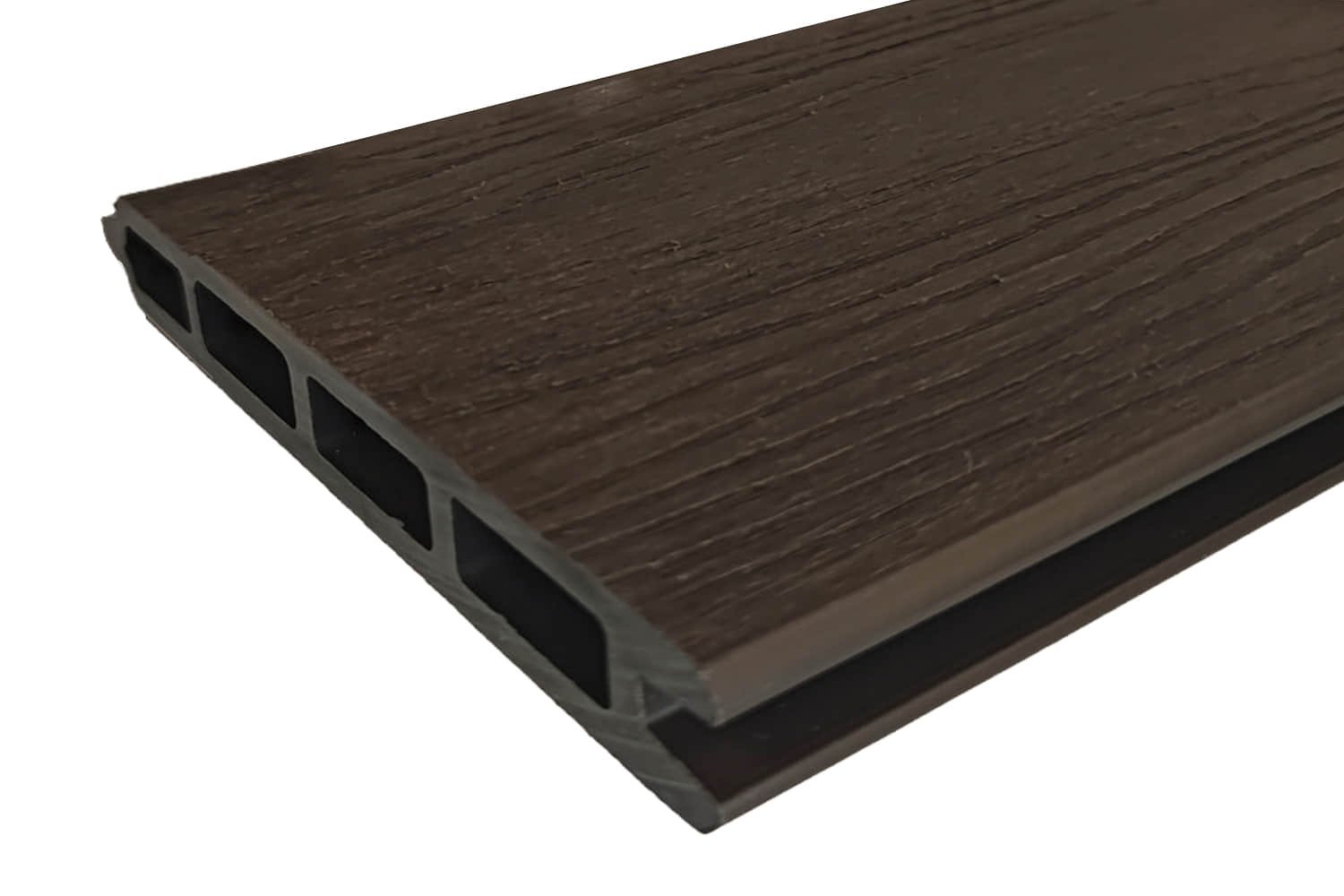
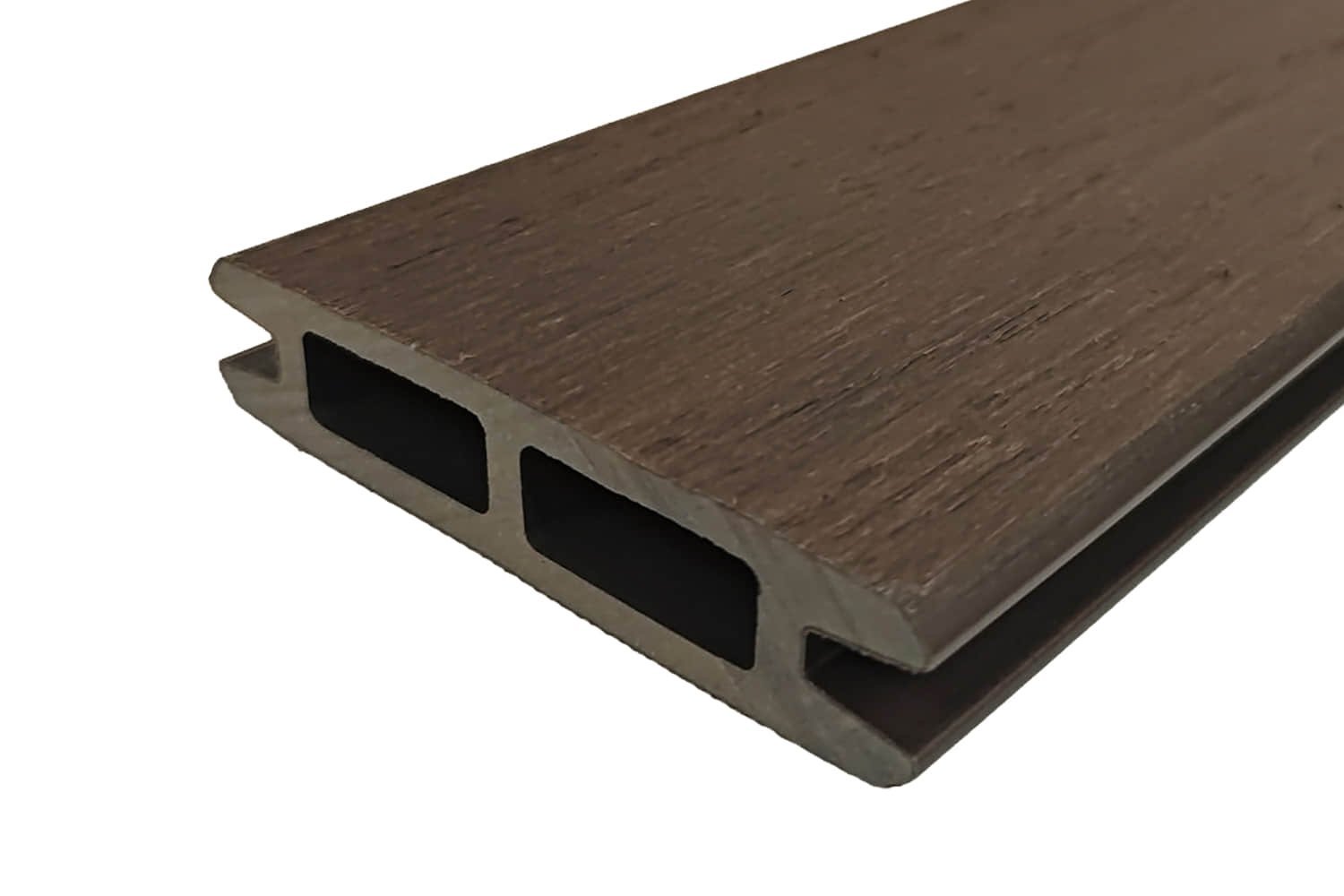
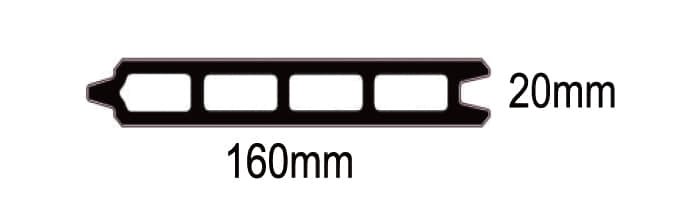
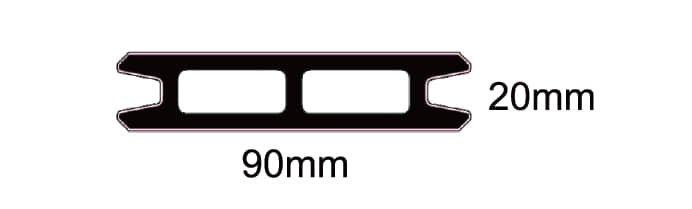
Capped wood-plastic composite members used in place of timber slats in fences and privacy screens. Vista slats are 90 × 20 mm or 160 × 20 mm, 2,900 mm long, with a recycled hardwood-fibre and HDPE core under an 0.8 mm co-extruded polymer cap on all four faces.
Between 15 and 25 mm for most privacy screens — that blocks a direct sightline at walking distance and still moves air. Use 0–10 mm where the screen must block the view completely, and 30–60 mm for feature screens where light matters more than privacy.
Up to 1.6 m centres, with 0.8–1.4 m typical. Tighter centres are stronger in exposed or high-wind positions. Post spacing, wind loading and foundations still need project-specific design checks, and a 2,900 mm slat length is not a permitted unsupported span.
Divide 1,000 by the slat width plus the gap in millimetres. A 160 mm slat at a 20 mm gap needs about 5.6 linear metres per square metre of screen face.
160 mm covers the same face with fewer pieces, so fewer fixings and less labour. 90 mm gives a finer line and weighs 1.28 kg per linear metre against 2.182 kg, which matters when the container fills on weight before it fills on volume.
Colorbond is cheaper per metre, faster to install and needs almost nothing done to it — on a back boundary nobody looks at, it is usually the right call. Composite slats win where the screen is part of the design: they read as timber rather than sheet steel, and you set the gap, so the same product can be closed for privacy or open for airflow. Colorbond is a solid sheet — one look, no airflow. If you sell both, the honest split is Colorbond for boundaries and composite for anything facing a living space. We compare the two in detail in Colorbond fencing vs composite fencing.
Composite does not corrode, and water absorption is 0.2% to ASTM D1037, so salt air is not the problem it is for a steel fence near the beach. Colour is co-extruded rather than surface-applied — ΔE ≤ 4–5 after 3,000 hours of QUV. Rinse it down like anything else near salt water.
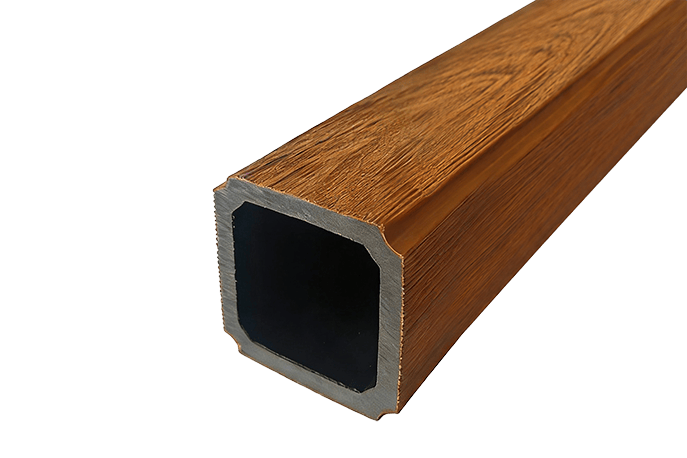
Posts, brackets, top and bottom trims, spacer clips and post caps. The quotation lists them with quantities against your configuration — a price per linear metre of slat is not comparable between suppliers until the component scope is on the same page.
Slats, not finished panels. That is why you can set the gap yourself. The quotation identifies the slats plus the compatible posts, trims and fixing components for your configuration.
Both. The hidden clip-and-slot fixing is the same either way; what changes is which dimension the post or rail spacing applies to. Tell us the orientation when you request a quote.
Class B-s1,d0 under EN 13501-1 — very limited contribution to fire, the lowest of the three smoke classes, and no flaming droplets. If your project needs evidence we do not currently hold, tell us the standard and the date you need it by.
No. The co-extruded cap is the wear surface. Vista is low maintenance, not maintenance free — routine washing is still needed to remove dirt and build-up.
Yes, and it is one of the applications we are asked about most. The 0.8 mm cap removes the coating cycle, which on an elevated facade is where the whole-life cost sits — access equipment usually costs more than the screen. Colour is co-extruded, so elevations stay matched. Fire classification is EN 13501-1 Class B-s1,d0; bring us the project’s fire requirement before you specify.
500 m² in total, made up any way you like across screening, decking and cladding and across all six colours. It does not have to be 500 m² of Vista.
Yes, with tooling. The moulds are ours, so a new profile or a private-label pack is a decision made at the plant. Tell us at quotation stage so tooling is in the first number you see, not the second.
For a 20 ft container allow about 15 days production, 2 days packing and 24–32 days at sea — 41 to 49 days for those stages. A 40 ft container is about 46 to 54 days. Approvals, booking, port handling, customs and inland delivery are additional.
Send a bill of quantities, a drawing, or just the running metres and fence height. You get a line-by-line quote, a delivered lead time to your state, and a free sample pack of all six finishes. No trade account application needed to get a price.